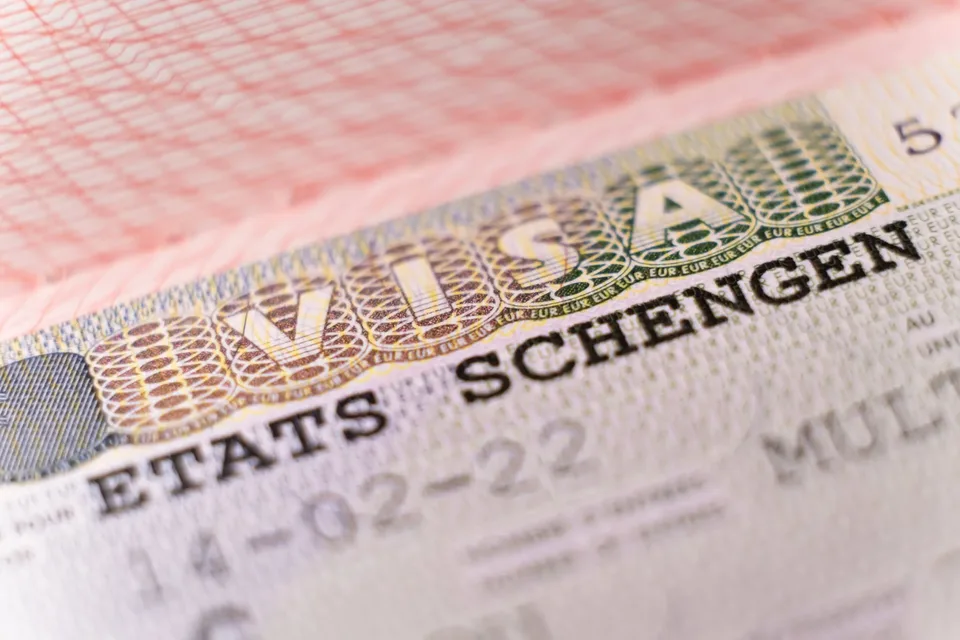
The cascade is not a visa exemption. The application process is unchanged. Documentary requirements, biometric enrolment, and embassy assessment all apply exactly as before. What has changed is the validity and entry count of the visa that an embassy can issue to qualifying applicants.
Embassies verify the 'lawfully used' criterion through the EU's shared Schengen visa records, which hold fingerprints and prior visa decisions across all member states. Applicants do not declare their travel history themselves; consulates check it directly.
The cascade does not weaken Article 32(1) refusal grounds. Past overstays, document-authenticity doubts, fraud indicators, and prior 'intention to leave' refusals all continue to weigh on cascade eligibility. The cascade rewards compliance with established rules, not a relaxed standard.
For first-time tourist applicants, the picture is more nuanced. The standard cascade ladder requires a prior compliant Schengen visa, so first-time tourists will not receive a long-validity MEV through the cascade. Every clean application from May 2026 forward, however, is the first step on a potential 5-year pathway.